Here's the full post with everything folded in. I did a compliance pass focused specifically…
How to Compare Mortgage Loan Estimates the Right Way
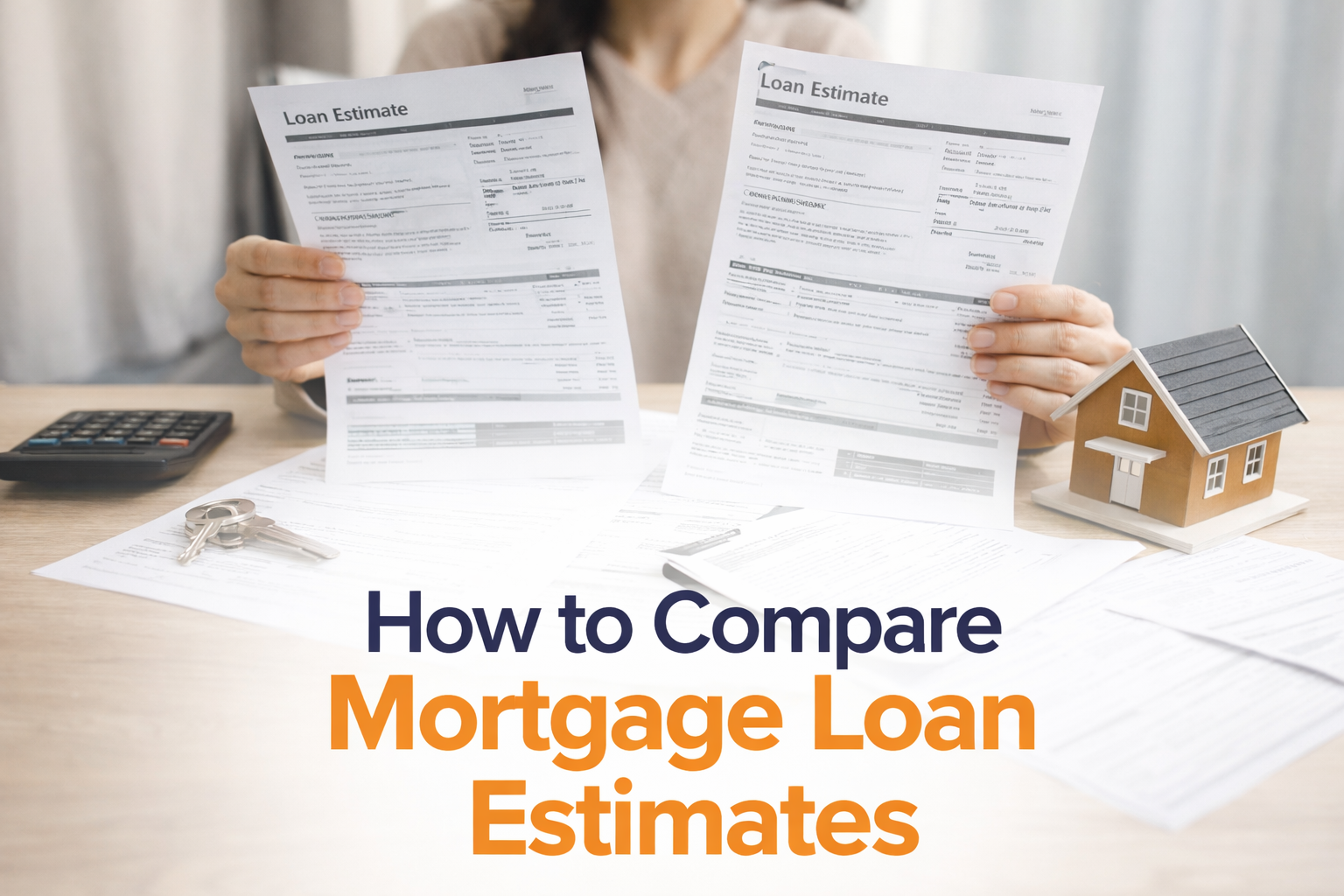
How to Compare Mortgage Loan Estimates the Right Way
When you’re buying a home in the Twin Cities, most lenders are required by law to give you something called a Loan Estimate within three business days of your application. It’s a standardized document. Same format. Same sections. Every lender uses it.
So you’d think comparing them would be simple.
Sometimes it is. But the details inside that document? That’s where things get interesting.
Here’s how to compare mortgage loan estimates so you actually know what you’re looking at.
What Is a Loan Estimate?
A Loan Estimate is a three-page document that lays out the key terms of a mortgage offer. It covers your interest rate, estimated monthly payment, closing costs, and how much cash you’ll need at closing.
Every lender uses the same format, which makes comparing mortgage loan estimates easier. But similar-looking numbers don’t always mean the same deal.
What to Look for When You Compare Mortgage Loan Estimates
Here are the sections that matter most.
Interest Rate
This one gets the most attention. And for good reason. A small difference in rate can add up to thousands of dollars over the life of the loan.
But the rate alone doesn’t tell the whole story. You need to look at it alongside the fees.
Loan Costs (Section A)
This is where lender fees live. Origination charges, discount points, and underwriting fees are all here. A lender can offer a lower rate and then make it back in upfront fees. Or they can offer a higher rate with fewer costs.
Neither is automatically better. It depends on how long you plan to stay in the home.
Closing Costs (Sections B and C)
These are costs tied to the transaction, not the lender. Title insurance, escrow, recording fees. Some of these are negotiable. Some aren’t. But they vary by company, so it’s worth paying attention.
Estimated Cash to Close
This shows the total amount you’ll need to bring to the closing table. It factors in your down payment, credits, and closing costs. This number matters a lot if you’re working with a budget.
Annual Percentage Rate (APR)
The APR gives you a blended number that includes both the rate and certain fees. It’s one of the best single numbers for comparing mortgage loan estimates from different lenders because it accounts for cost over time.
Why a Second Opinion Can Change Everything
Here’s something I see all the time.
A buyer gets one loan estimate, it looks okay, and they move forward. Nothing wrong with that. But they never knew what they were comparing it to.
Mortgage rates in Bloomington and across the Twin Cities move daily. Two lenders quoting on the same day can still land in different places depending on who they work with and how they structure the loan.
A second mortgage opinion isn’t about distrust. It’s about clarity.
If you’d like me to take a look at your loan estimate, you can request a review here: Second Look
Current Mortgage Rates in Bloomington MN
Rates matter. And they change constantly.
If you want to see where rates are sitting right now in Bloomington and the Twin Cities, I keep a weekly update going so you always have a current reference point.
View Current Mortgage Rates in Bloomington MN
Frequently Asked Questions About Comparing Loan Estimates
Can I compare mortgage loan estimates from different lenders? Yes. In fact, that’s exactly what the Loan Estimate is designed for. The standardized format makes it easier to put two offers side by side and see where they differ.
What’s the most important number to compare? The APR is one of the most useful numbers for comparison because it blends the rate and certain costs into one figure. But you should also look at total cash to close and what’s inside Section A.
How many loan estimates should I get? Getting two to three is a smart move. It gives you enough information to understand what’s competitive without turning it into a full-time job.
Do loan estimates expire? Yes. The interest rate on a Loan Estimate is tied to a lock, which has an expiration. If you don’t move forward within that window, the numbers can change.
Should I always go with the lowest rate? Not necessarily. A lower rate sometimes comes with higher upfront costs. What matters is the total picture over the time you plan to stay in the home.
Ready to Talk Through Your Numbers?
If you’re in the Twin Cities or Bloomington area and want to compare mortgage loan estimates with someone who will actually explain what you’re looking at, I’m here for it.
No pressure. Just a real conversation about whether your loan is working for you.

Related Posts